

Diet quality—measured by whole-food density and overall pattern—reduces biomarkers of chronic inflammation more reliably than any single “anti-inflammatory” food. Randomized controlled trials show that coherent eating patterns like the Mediterranean diet lower inflammatory markers by 15–30% within three to six months, while isolated superfoods produce inconsistent results.
This matters for anyone trying to manage chronic inflammation without getting lost in contradictory nutrition advice. The foods matter, but the pattern matters more. Here’s what the science actually shows, with concrete numbers and realistic expectations.
What chronic inflammation is and how diet affects it
Chronic inflammation is low-grade, prolonged immune system activation—distinct from the acute inflammation you get from a cut or infection. It involves elevated circulating levels of markers like C-reactive protein (CRP), interleukin-6 (IL-6), and tumor necrosis factor-alpha (TNF-α).
Your diet influences this through several mechanisms. Foods rich in polyphenols, omega-3 fatty acids, and fiber modulate inflammatory signaling pathways. High intake of refined carbohydrates and added sugars drives glycemic spikes that produce advanced glycation end products (AGEs), which activate inflammatory pathways. Harvard’s Nutrition Source covers these mechanisms in accessible detail.
The effect is measurable. People switching from ultra-processed diets to whole-food patterns see substantial reductions in inflammatory markers; those already eating reasonably well see smaller but still meaningful shifts.
Foods with the strongest anti-inflammatory evidence
Not all “anti-inflammatory foods” have equal backing. Here’s what the research supports, organized by evidence strength—with practical notes on cost and accessibility.
Fatty fish (salmon, sardines, mackerel)
Evidence level: Strong
The omega-3 fatty acids EPA and DHA in fatty fish consistently reduce inflammatory markers in randomized controlled trials. Two to three servings per week associate with lower CRP levels. The omega-3 index—a measure of EPA and DHA in your blood—inversely correlates with inflammation.
What works: Aim for about 8 ounces weekly, which provides roughly 1–3 grams of EPA and DHA combined. Plant-based omega-3s from walnuts and flax (ALA) show less consistent effects because conversion to EPA and DHA is inefficient in most people.
Accessibility note: Canned sardines and canned salmon provide the same EPA and DHA as fresh fish at a fraction of the cost. A can of sardines (around $2–3) delivers as much omega-3 as a fresh salmon fillet that might cost $10 or more.
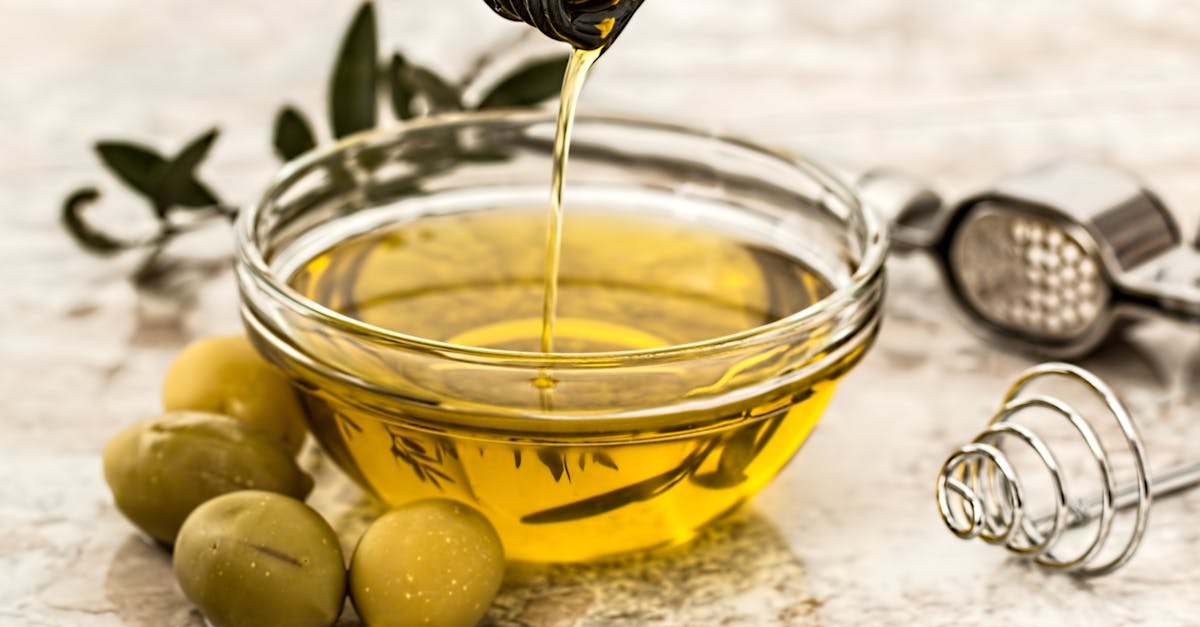
Extra-virgin olive oil
Evidence level: Strong (in the context of Mediterranean diet patterns)
Extra-virgin olive oil contains polyphenols like oleocanthal and oleuropein that inhibit the same inflammatory enzymes (COX-1 and COX-2) as ibuprofen, at least in laboratory studies. The PREDIMED trial, a landmark study of over 7,400 participants, showed that a Mediterranean diet supplemented with extra-virgin olive oil reduced cardiovascular events and inflammatory markers.
What works: About two tablespoons daily in the context of an overall Mediterranean pattern. The polyphenol content varies widely by brand and processing, so “extra-virgin” designation matters.
Accessibility note: Even moderately priced extra-virgin olive oil retains meaningful polyphenol content. You don’t need a $30 bottle; a $10–12 supermarket extra-virgin works.
Berries
Evidence level: Moderate
Blueberries, strawberries, and other berries are rich in anthocyanins and quercetin, compounds that appear to modulate inflammatory signaling. Some randomized trials show lower IL-6 with one cup of berries daily, though results are less consistent than with fatty fish or olive oil.
What works: One cup of fresh or frozen berries most days. Cherry juice has been similarly studied, particularly for exercise-related inflammation.
Accessibility note: Frozen berries have the same anthocyanin content as fresh and often cost half as much. A bag of frozen blueberries or mixed berries runs $3–5 and lasts a week.
Leafy greens (spinach, kale, collards)
Evidence level: Moderate to strong
Leafy greens provide vitamin K, folate, and various polyphenols. Vitamin K intake associates with lower inflammation markers independent of omega-3 intake in several large observational studies.
What works: One to two cups daily, raw or cooked. If you’re on warfarin or another anticoagulant, maintain consistent intake rather than avoiding greens—your doctor adjusts your dose based on your typical diet.
Whole grains
Evidence level: Moderate to strong
Whole grains contain fiber, bran polyphenols, and B vitamins. Multiple randomized trials and large cohort studies link whole grain intake with lower CRP, while refined grains associate with higher levels. The fiber feeds anti-inflammatory gut bacteria that produce short-chain fatty acids like butyrate.
What works: 25–35 grams of fiber daily from whole grains, legumes, and vegetables. That’s roughly three servings of whole grains plus a couple servings of beans or lentils.
Nuts (especially walnuts and almonds)
Evidence level: Moderate to strong
Walnuts provide both omega-3 ALA and polyphenols. Several trials show reductions in CRP and TNF-α with regular nut consumption—about a handful (1.5 ounces) most days.
What works: Four to five servings per week. The unsalted, unroasted versions retain more polyphenols, though roasted nuts still offer benefits.
Legumes (beans, lentils, chickpeas)
Evidence level: Moderate
Legumes provide fiber, resistant starch, and polyphenols. The resistant starch produces butyrate in the colon, which has anti-inflammatory effects. Evidence is mostly observational and mechanistic; few randomized trials isolate legumes specifically.
What works: Three to four servings per week. A serving is about half a cup cooked.
Accessibility note: Beans and lentils deliver anti-inflammatory fiber at the lowest cost of any food on this list. A pound of dried lentils costs $1–2 and provides roughly 10 servings—less than 20 cents per serving.
Green and black tea
Evidence level: Moderate
The catechins in green tea, particularly EGCG, inhibit NF-κB signaling in lab studies. Several small randomized trials show CRP reduction with three or more cups daily.
What works: Three cups of brewed green or black tea daily. Bottled teas vary widely in polyphenol content; freshly brewed is more reliable.
Turmeric (curcumin)
Evidence level: Weak to moderate
Curcumin shows strong anti-inflammatory effects in test tubes and animal studies, but human trials require high doses due to poor absorption. Even with black pepper or fat to enhance bioavailability, the clinical effects are modest.
What works: Turmeric as a spice in food is safe and adds flavor; expecting major inflammation reduction from it alone is not supported. High-dose curcumin supplements (over 2 grams daily) can interact with certain medications.
Diet patterns: Where the strongest evidence lives
Individual foods matter, but the most robust findings come from studies of overall diet patterns. This is where food science meets practical eating.
Mediterranean diet
The Mediterranean diet emphasizes vegetables, fruits, whole grains, legumes, nuts, fish, and olive oil, with moderate wine and minimal red meat and sweets. It’s the most studied anti-inflammatory pattern.
The PREDIMED trial found 15–30% reductions in CRP and IL-6 within three to six months among participants following a Mediterranean diet supplemented with extra-virgin olive oil or nuts. Other large cohort studies consistently link this pattern with lower inflammatory markers and reduced cardiovascular disease risk.
Key components: The combination seems to matter more than any single food. You’re getting omega-3s, polyphenols, and fiber together, in whole-food form, with minimal ultra-processed ingredients.
DASH diet
Originally designed to lower blood pressure, the DASH (Dietary Approaches to Stop Hypertension) diet emphasizes whole grains, vegetables, fruits, lean protein, and low-fat dairy while limiting sodium, added sugars, and saturated fat.
Randomized trials show meaningful CRP reductions with DASH adherence, primarily driven by high fiber, polyphenol, and whole-grain intake. The American Heart Association recognizes DASH as an evidence-based eating pattern for cardiovascular health.
Plant-forward, whole-food patterns (general)
Any eating pattern that emphasizes whole grains, legumes, vegetables, and minimal ultra-processed foods tends to reduce inflammatory markers. The common thread: high fiber, high polyphenol density, and low refined carbohydrate and added sugar load.
The inverse also holds: high ultra-processed food intake has been associated in large cohort studies with higher inflammatory markers.
What an anti-inflammatory day of eating actually looks like
Lists of individual foods help, but most people need to see how these ingredients combine into coherent meals. Here’s a realistic example that stacks mechanisms—omega-3s, polyphenols, fiber, and vitamin K—within each meal rather than scattering them across the day.
Breakfast: Steel-cut oats cooked with frozen blueberries, topped with walnuts and a drizzle of extra-virgin olive oil. Unsweetened green tea.
Why this works: Whole grain fiber feeds gut bacteria, berries provide anthocyanins, walnuts add omega-3 ALA, olive oil contributes polyphenols. The fiber and polyphenols hit your gut together, which appears to matter for microbiome shifts.
Lunch: Mixed greens salad with canned sardines, chickpeas, cherry tomatoes, cucumber, and a dressing of extra-virgin olive oil and lemon juice. Whole-grain bread on the side.
Why this works: Sardines deliver EPA and DHA, leafy greens provide vitamin K, chickpeas add resistant starch and fiber, olive oil brings more polyphenols. This single meal covers four anti-inflammatory mechanisms.
Snack: Handful of almonds and an apple.
Why this works: Nuts provide healthy fats and polyphenols, apples add soluble fiber (pectin) that benefits gut bacteria.
Dinner: Baked salmon with roasted Brussels sprouts and quinoa, cooked in extra-virgin olive oil with garlic and turmeric.
Why this works: Salmon provides omega-3s, Brussels sprouts are cruciferous vegetables with fiber and polyphenols, quinoa is a whole grain, olive oil and turmeric add anti-inflammatory compounds. Cooking them together in olive oil may improve absorption of fat-soluble polyphenols.
Evening: Black tea or water.
This isn’t a rigid prescription—it’s a demonstration of the pattern concept. Notice how each meal combines multiple anti-inflammatory foods rather than isolating one superfood. The cumulative effect across the day is what moves biomarkers, not any single ingredient.
How much matters: Concrete thresholds and timelines
If you want to move inflammatory markers, here’s what the research suggests you need:
- Omega-3 intake: 1–3 grams per week from EPA and DHA, roughly 8 ounces of fatty fish weekly. Higher doses show greater effects in some trials.
- Fiber: 25–35 grams daily for adults, from whole grains, legumes, and vegetables.
- Added sugar: Under 25 grams daily for women, under 36 grams for men, per American Heart Association guidelines. Higher added sugar intake has been associated with elevated CRP in large observational studies.
- Polyphenol intake: Roughly 800–1,000 milligrams daily. Mediterranean diet followers typically consume over 1,500 milligrams. You can’t easily track this on a nutrition label, but eating the foods listed above gets you there.
- Ultra-processed foods: Minimize to under 10–15% of total calories when possible.
Timeline: Inflammatory biomarkers begin shifting within weeks, with measurable changes at three months and sustained reductions by six months in most trials. Symptom relief—if you notice any—varies widely and may take longer, or may not be directly tied to inflammation at all.
Who sees the biggest benefit—and how to measure your response

Not everyone responds the same way to dietary changes. Understanding the predictors of response helps set realistic expectations and lets you track whether your efforts are actually working.
Baseline diet quality matters most
People eating highly processed diets see the largest reductions in inflammatory markers when they shift to whole-food patterns—sometimes substantial drops in CRP. If you’re already eating reasonably well, you’ll see smaller absolute changes, though still meaningful.
Baseline inflammation level predicts response magnitude
Those with CRP above 3 mg/L—considered elevated cardiovascular risk by the CDC—see larger reductions with diet changes. People with CRP under 1 mg/L see smaller relative shifts simply because there’s less room to move.
Practical testing advice: You can request a CRP test through your primary care doctor; it’s a standard blood test that costs $10–50 without insurance. Get a baseline reading before making diet changes, then retest at three to six months. That tells you whether your specific body is responding to the changes you’re making. Without measurement, you’re guessing.
Some people change their entire diet and see CRP drop from 4 to 1.5 mg/L—a dramatic, measurable win. Others see minimal movement because their baseline was already low or because other factors (chronic stress, poor sleep, lack of physical activity) are driving their inflammation more than diet.
Genetics and gut microbiome composition
Some people are “low responders” to omega-3 supplementation due to variants in genes that affect conversion of plant-based omega-3 (ALA) to the active forms EPA and DHA. Whole-food sources like fatty fish bypass this issue more reliably than supplements.
Gut microbiome matters for fiber response. If you have pre-existing dysbiosis, it may take a few weeks for fiber intake to shift your microbiome toward butyrate-producing bacteria. The anti-inflammatory benefits of fiber depend partly on those bacteria doing their job. This is one reason why some people feel better within weeks while others take months.
Age influences inflammatory baseline
Older adults tend to have higher baseline inflammation (“inflammaging”), which means they often see larger absolute reductions from diet changes—but also means they’re starting from a higher-risk baseline.
Other factors independent of diet—physical activity, sleep quality, chronic stress, alcohol intake—also influence inflammatory markers. Diet is one lever, not the only one.
If you’re looking for practical ways to build these habits into your routine without overhauling your entire life, How to Build Better Eating Habits That Actually Stick walks through sustainable behavior change strategies.
What the evidence does not support
Despite the hype, several claims about anti-inflammatory eating lack solid backing:
“Detox” diets or cleanses have no plausible mechanism for “flushing toxins.” Your liver and kidneys handle detoxification; food doesn’t bypass that system.
Single-food cures don’t exist. No berry, spice, or supplement alone reverses chronic inflammation. It’s a cumulative pattern effect.
Supplement-only approaches generally fall short. Isolated polyphenol supplements—curcumin tablets, resveratrol pills—don’t replicate the benefits of whole foods in most trials. The food matrix seems to matter for absorption and efficacy.
Overnight results are unrealistic. Inflammatory marker changes take weeks to months. If someone claims to feel dramatically better within days of a diet change, it’s more likely placebo, fluid shifts, or other lifestyle changes happening simultaneously.
Frequently asked questions
What foods reduce inflammation the most?
Fatty fish rich in omega-3s, extra-virgin olive oil, leafy greens, berries, nuts, and whole grains have the strongest evidence. But diet pattern—how these foods fit together—matters more than ranking individual ingredients.
Is the Mediterranean diet really anti-inflammatory?
Yes, with strong evidence from randomized controlled trials. The PREDIMED trial showed 15–30% reductions in inflammatory markers within several months. Most of the evidence is correlational from large observational studies, but the randomized data backs it up.
How long does it take for diet changes to reduce inflammation?
Biomarkers like CRP and IL-6 begin changing within weeks, with clear effects by three to six months in most studies. Symptom relief—if it happens—varies widely by individual and may take longer.
Does sugar really cause inflammation?
Added sugar in excess does; whole-food carbohydrates do not. For a deeper look at the mechanisms and thresholds, see more on does sugar really cause inflammation? what the evidence shows.
What drinks reduce inflammation?
Green and black tea (three cups daily), coffee in moderation, and plain water. Avoid sugar-sweetened beverages—higher intake associates with elevated inflammatory markers.
Can I reduce inflammation on a tight budget?
Yes. Frozen berries, canned sardines, dried beans and lentils, and moderately priced extra-virgin olive oil all provide anti-inflammatory benefits at low cost. The Mediterranean diet pattern is accessible at almost any budget if you focus on beans, whole grains, frozen vegetables, and canned fish rather than fresh salmon and expensive produce.
Pattern beats ingredients. If you focus on eating more whole grains, vegetables, legumes, fatty fish, nuts, and olive oil while cutting back on ultra-processed foods and added sugar, you’re doing what the strongest evidence supports. Consider getting a baseline CRP test so you can measure your response rather than guessing. Start with one or two swaps rather than overhauling everything at once—more on how to build better eating habits that actually stick can help with that—and give it a few months to see whether your body responds.
For general information only and not a substitute for professional medical advice, diagnosis, or treatment. If you have unexplained chronic inflammation, persistent symptoms, or elevated inflammatory markers, see your doctor for proper evaluation.