

Plenty of water passes through your kidneys without ever making it inside your cells. The minerals dissolved in that water—electrolytes—determine whether it stays in your system or gets flushed out before your body can use it.
The short answer
Electrolytes are minerals (primarily sodium, potassium, magnesium, and calcium) that carry an electrical charge and regulate how much water stays inside versus outside your cells. Hydration isn’t just about drinking water—it’s about maintaining the osmotic balance that pulls water into cells and keeps it there. For most daily activity, you get enough electrolytes from food. During intense or prolonged exercise, you may need additional sodium and potassium to maintain that balance.
Why water alone isn’t enough
Drinking plain water dilutes the concentration of minerals in your blood. When that happens, your kidneys respond by increasing urination to restore the normal mineral-to-water ratio. The water you just drank gets flushed out before your cells can use much of it.
Electrolytes—especially sodium—create an osmotic gradient that pulls water across cell membranes and holds it inside cells where it’s needed for every metabolic process. This is why oral rehydration solutions used by the World Health Organization contain a precise ratio of sodium, glucose, and water, not just water alone. Standard WHO formulations contain 75 mmol/L sodium and 75 mmol/L glucose—a combination that achieves cellular rehydration faster than plain water.
The physics is straightforward: water moves toward higher concentrations of dissolved particles. If the fluid inside your cells has more electrolytes than the fluid outside, water flows in. If you dilute your blood with too much plain water, the gradient reverses.
How sodium and potassium work together
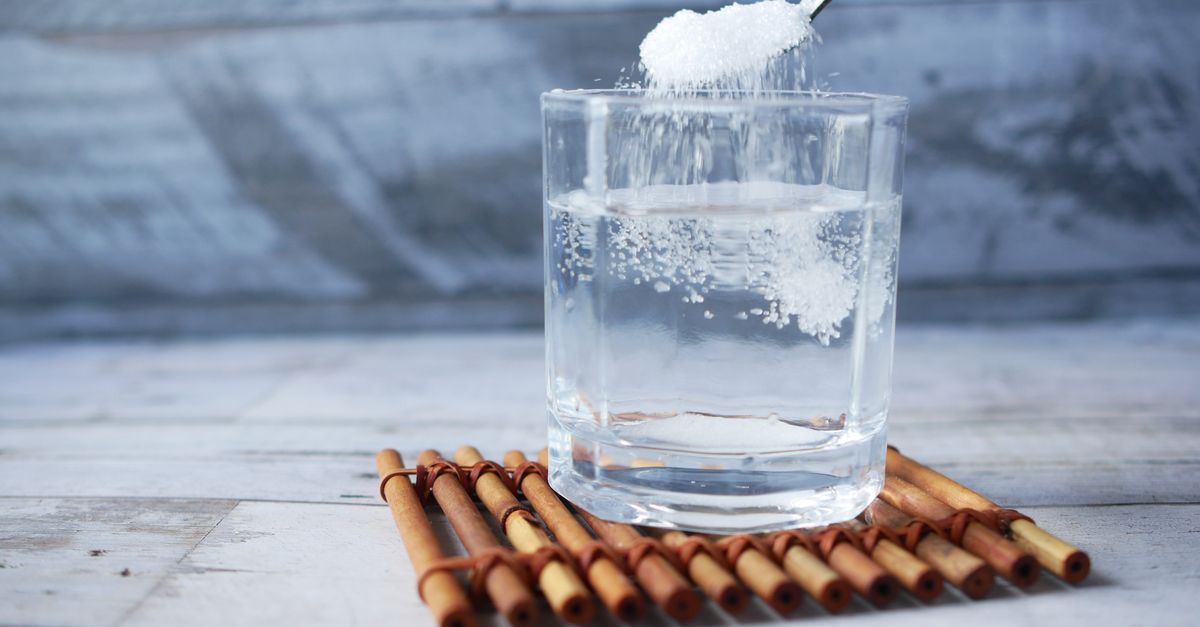
Sodium and potassium are the primary electrolytes controlling fluid balance, and they work as a complementary pair.
Sodium lives mostly outside your cells, in blood and extracellular fluid. It regulates blood volume, blood pressure, and the osmotic pull that brings water into your system from the digestive tract. According to the NIH Office of Dietary Supplements, adequate intake is 1,500 mg per day, though most Western diets provide considerably more—often more than needed for sedentary people.
Potassium lives mostly inside your cells. It balances sodium’s effects, controls muscle contraction (including heartbeat), and maintains the electrical charge across cell membranes that allows nerves to fire and muscles to contract. The NIH recommends 2,600–3,400 mg daily depending on sex and age.
When you sweat heavily during exercise, you lose both. Sweat contains sodium as its primary electrolyte, with smaller amounts of potassium. An athlete sweating heavily can lose significant sodium per hour—enough that replacement through drinks or salty snacks becomes relevant, because your body can’t manufacture these minerals. You have to consume them.
For everyday hydration, though, food handles this easily. Table salt, cheese, broth, canned foods, and bread provide sodium. Leafy greens, beans, potatoes, bananas, avocados, and yogurt provide potassium. Unless you’re exercising intensely for more than an hour, drinking water combined with normal meals covers your electrolyte needs without supplements.
Individual sweat rate: Why one-size-fits-all doesn’t work
Here’s what most hydration advice misses: individual sweat rates vary five- to six-fold based on fitness level, body size, genetics, and heat acclimation. A small recreational jogger and a large trained athlete working at the same intensity in the same conditions can have wildly different fluid and sodium needs.
Research published in sports medicine journals shows sweat rates ranging from less than half a liter per hour to over two liters per hour during exercise. That range means generic advice—“drink eight ounces every 15 minutes”—fits almost no one perfectly.
You can measure your own sweat rate with a simple protocol: weigh yourself naked before one hour of typical exercise in your usual conditions, then weigh yourself again immediately after (towel off first, don’t drink during the hour). The difference in kilograms equals liters of sweat lost. One kilogram lost = one liter of sweat. Add back any fluid you drank during that hour to get your true sweat rate.
Once you know your rate, you can calculate sodium needs during exercise. The American College of Sports Medicine recommends 300–600 mg sodium per hour during one to two hours of exercise, scaling up to 1,000 mg per hour for multi-hour endurance efforts. Higher sweat rates need the higher end of that range.
This converts generic advice into actionable personalization. A runner who sweats 1.5 liters per hour during a half-marathon knows they need roughly 16–24 ounces of fluid per hour, plus sodium in the 500–700 mg range. They can evaluate whether a sports drink (typically 100–200 mg sodium per 8 oz) meets that need, or whether adding a salty snack makes sense.
Electrolyte drinks vs. plain water: When each works
The question isn’t whether electrolyte drinks work—it’s whether you need what they provide. Here’s what the evidence shows:
| Scenario | Best choice | Reason |
|---|---|---|
| Casual activity (<60 min) | Plain water | Food-based electrolytes plus normal fluid intake are sufficient |
| Intense exercise 60–120 min in heat | Water + electrolyte drink | Faster absorption, better fluid retention, performance benefit shown in studies |
| Endurance event >3 hours | Electrolyte drink + salty snacks | Prevents dangerous sodium dilution; maintains blood glucose |
| Everyday hydration | Water + regular meals | Cost-effective; food provides all needed minerals |
| Recovery from heat illness or illness with vomiting/diarrhea | Oral rehydration solution or sports drink | Restores fluid and electrolyte balance faster than water alone |
The American College of Sports Medicine identifies a clear threshold: exercise lasting less than 60 minutes in moderate conditions rarely requires electrolyte replacement beyond what you’ll eat afterward. Once you cross into 60–90+ minutes of moderate to high-intensity work, especially in heat, sodium-containing drinks improve hydration speed and help maintain performance.
Why? Because at that duration and intensity, sweat losses start to outpace what your body can replace from its existing stores, and the sodium in the drink enhances water absorption in your intestines.
The cost difference is significant. A typical sports drink runs about $2 per bottle and provides sodium plus some carbohydrate. A homemade version—water, a pinch of salt, and a squeeze of juice—costs under 30 cents and delivers the same core elements for non-competitive exercisers.
The risk most people don’t hear about: Exercise-associated hyponatremia

Overhydration with plain water is more dangerous than under-hydration in certain contexts, and it’s underreported in popular health advice.
Drinking excessive plain water without electrolyte replacement during prolonged intense exercise dilutes blood sodium below safe levels—a condition called exercise-associated hyponatremia. When blood sodium drops below 130 mmol/L, symptoms include headache, nausea, confusion, and in severe cases, seizures or death. It’s most common in marathon runners, ultraendurance athletes, and people exercising for four to six hours or longer who drink large volumes to “stay ahead of thirst.”
The CDC and NIOSH document cases in occupational settings where workers drank water continuously in high heat without sodium replacement and developed hyponatremia. This isn’t a risk for casual exercise, but if you’re doing anything longer than three hours, drinking to thirst and including sodium-containing fluids or snacks is safer than forcing plain water.
The counterintuitive fact: in endurance sports, overhydration is often a bigger problem than dehydration. The fix is simple—include sodium. A sports drink, pretzels, salted nuts, or even salt tablets during long efforts prevent the dilution that causes hyponatremia while still meeting fluid needs.
This is the opposite failure mode from what most hydration messaging warns about. Both matter, and the duration and intensity of your activity determine which risk applies to you.
What food provides
Most of your daily electrolyte needs come from what you eat, not what you drink. Here’s what normal food intake supplies:
- Sodium: Widely available from salt, cheese, bread, processed foods, broth—most Western diets provide ample amounts
- Potassium: Found in leafy greens, beans, potatoes, bananas, avocado, yogurt
- Magnesium: Present in nuts, seeds, spinach, whole grains, dark chocolate
- Calcium: Supplied by dairy, fortified plant milks, leafy greens
For anyone not engaged in intense prolonged exercise, these food sources cover hydration and cellular function without additional supplements. Electrolyte drinks are engineered for acute replacement during activity, not baseline nutrition. Treating them as everyday beverages is both unnecessary and expensive.
If you’re interested in how individual minerals affect other aspects of health, Magnesium Benefits and Food Sources: What the Evidence Shows covers magnesium’s broader roles, and How Sodium Intake Affects Your Heart Health discusses sodium in the context of cardiovascular health.
FAQ
What exactly are electrolytes, and why do I need them?
Electrolytes are minerals—sodium, potassium, magnesium, calcium—that dissolve in body fluids and carry electrical charges. They regulate fluid balance, nerve signals, muscle contraction, and heart rhythm. You need them because water alone can’t hydrate cells without the osmotic gradient electrolytes create.
Is water alone enough to stay hydrated?
For most daily activity, yes. Your electrolytes come from food, and drinking water when thirsty maintains normal hydration. During intense exercise lasting more than 60–90 minutes or in extreme heat, sodium-containing fluids improve hydration and prevent imbalances.
When should I drink electrolyte drinks instead of plain water?
When you’re exercising intensely for more than an hour, especially in heat, or during endurance events lasting several hours. Also useful during recovery from illness with vomiting or diarrhea. For everyday hydration and casual exercise under an hour, plain water and food-based electrolytes are sufficient.
Can you have too many electrolytes?
Yes, though it’s uncommon from diet and drinks. Excessive sodium can raise blood pressure in some people. Taking concentrated electrolyte supplements without adequate fluid can cause nausea and diarrhea. More dangerous is overhydration with plain water during long exercise, which dilutes sodium to unsafe levels (hyponatremia). Balance matters more than quantity.
How do I know my personal sweat rate and sodium needs?
Weigh yourself naked before and after one hour of typical exercise without drinking. The weight loss in kilograms equals liters of sweat. Use that rate to calculate fluid needs (replace most of what you lose), then add sodium based on duration: 300–600 mg per hour for one to two hours of exercise, up to 1,000 mg per hour for longer efforts.
Do electrolytes help with muscle cramps?
The evidence is mixed. Sodium and potassium play roles in muscle contraction, and severe deficits can contribute to cramping, but most exercise-associated cramps are due to muscle fatigue and altered neuromuscular control rather than simple electrolyte depletion. If cramps persist, see a healthcare provider—several medical conditions can cause them.
If you’re curious whether dehydration is behind your headaches or want to understand how much water you actually need, those articles explore related questions. For post-exercise recovery, Protein Timing for Muscle Recovery: What Actually Works covers the nutrition side.
This article is for general information only and is not a substitute for professional medical advice, diagnosis, or treatment. Consult a healthcare provider if you have a history of electrolyte imbalances, kidney disease, heart conditions, or experience unusual symptoms during or after exercise.